


Happy World Bee Day
Happy World Bee Day — and a Garden in Bloom
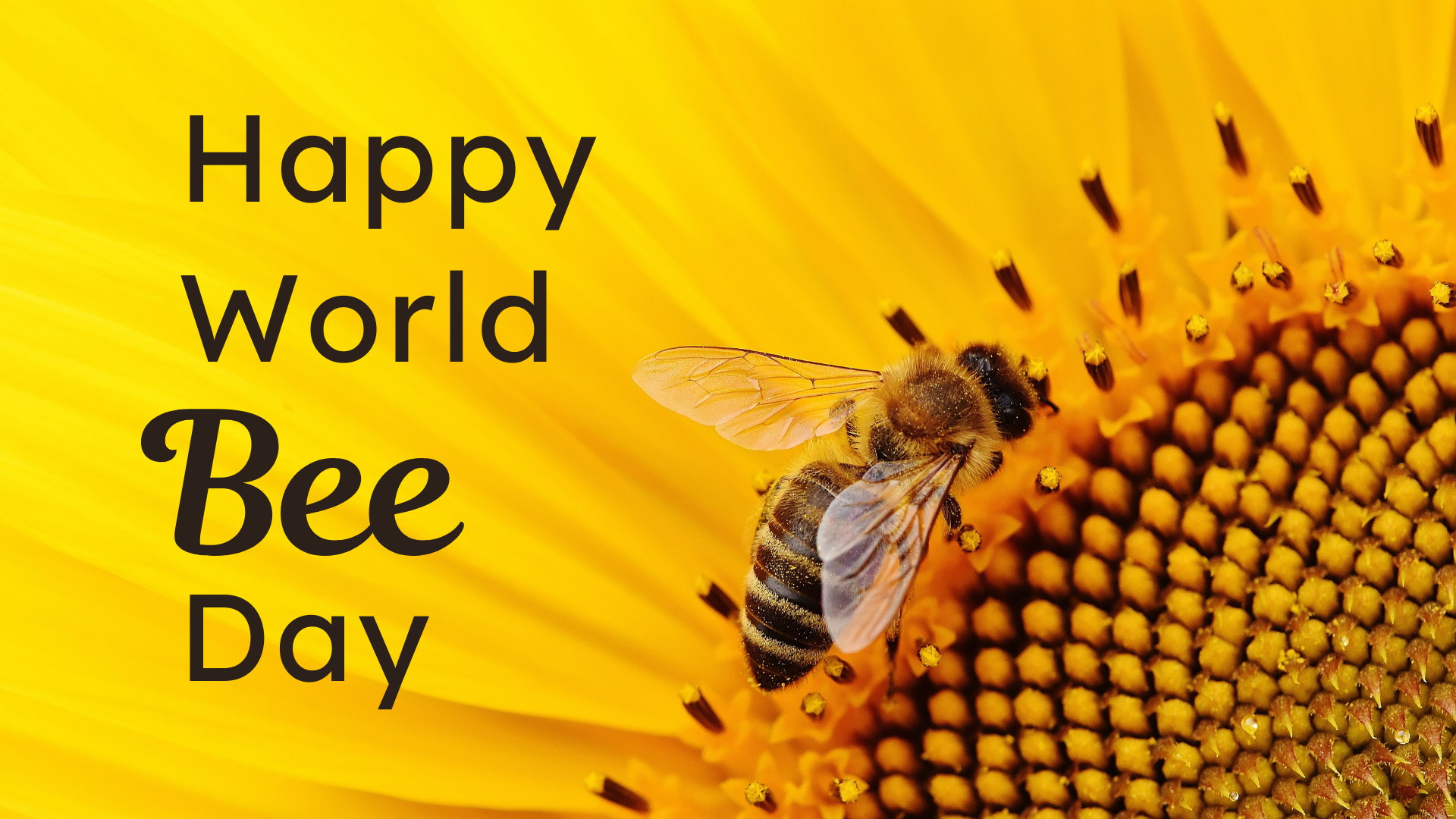
On May 20, 2017, the United Nations officially proclaimed World Bee Day following a proposal from Slovenia — a global reminder of just how essential bees are to life on Earth.
Bees are some of our most important pollinators, supporting biodiversity, strengthening food systems, and helping sustain ecosystems around the world. In fact, every third spoonful of food depends on pollination.
Today is a chance to pause and consider how we can protect these small but mighty creatures.
If you're inspired to take action, consider planting native plants in your yard or even in pots on a deck or patio. Pollinator Project Rogue Valley is a great local resource to help you learn more about our native flora.
For a dose of hope and inspiration, check out Homegrown National Park, a nationwide effort encouraging people to add native plants and remove invasive species everywhere we live, work, and play. Their interactive map allows individuals across the country to register their native-planted spaces — large or small. It is inspiring to see how many people are joining the effort to restore biodiversity and support pollinators.
Growing a Pollinator-Friendly Space at ScienceWorks
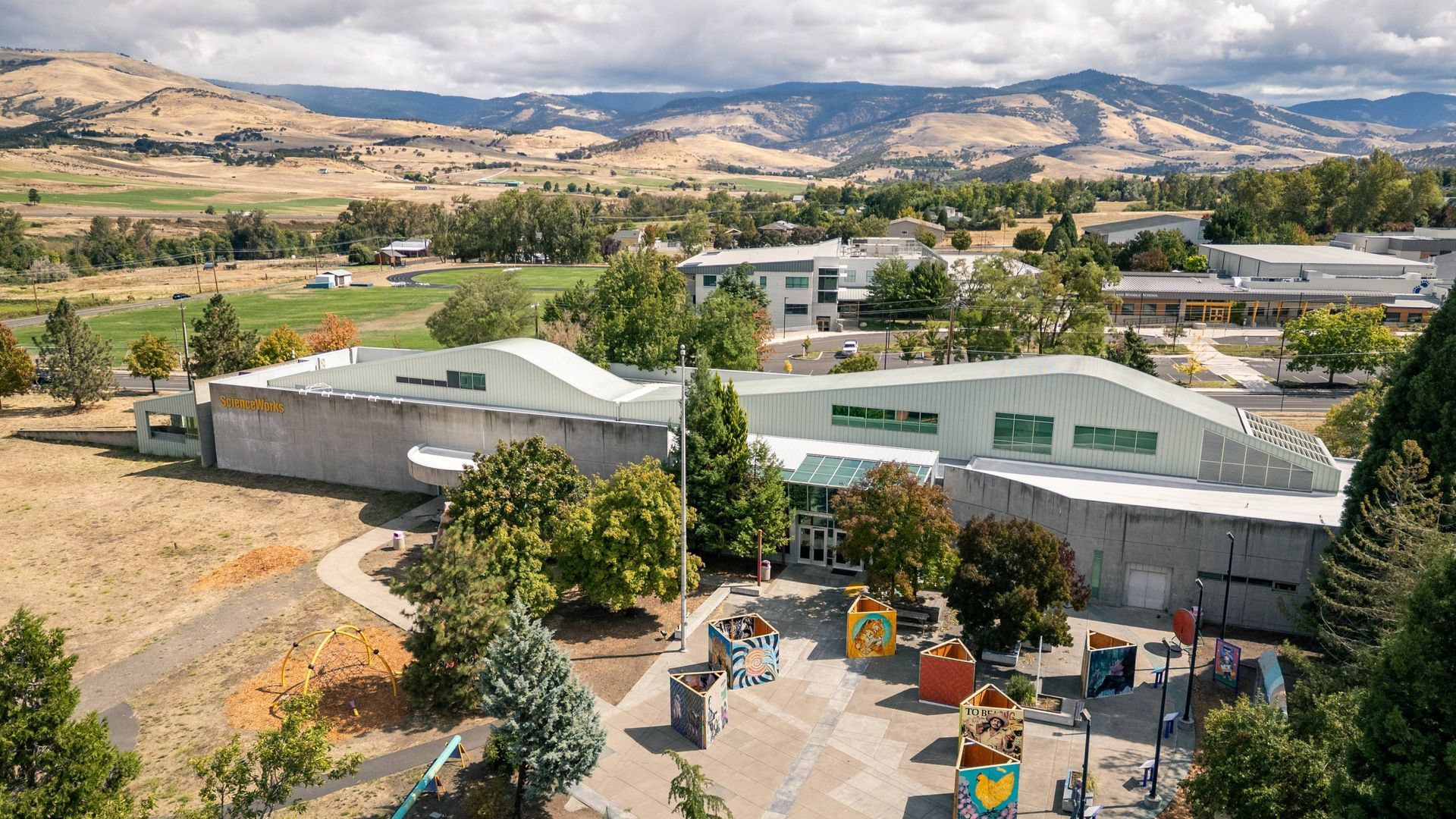
This spring, we’ve been putting these ideas into action right here at ScienceWorks.
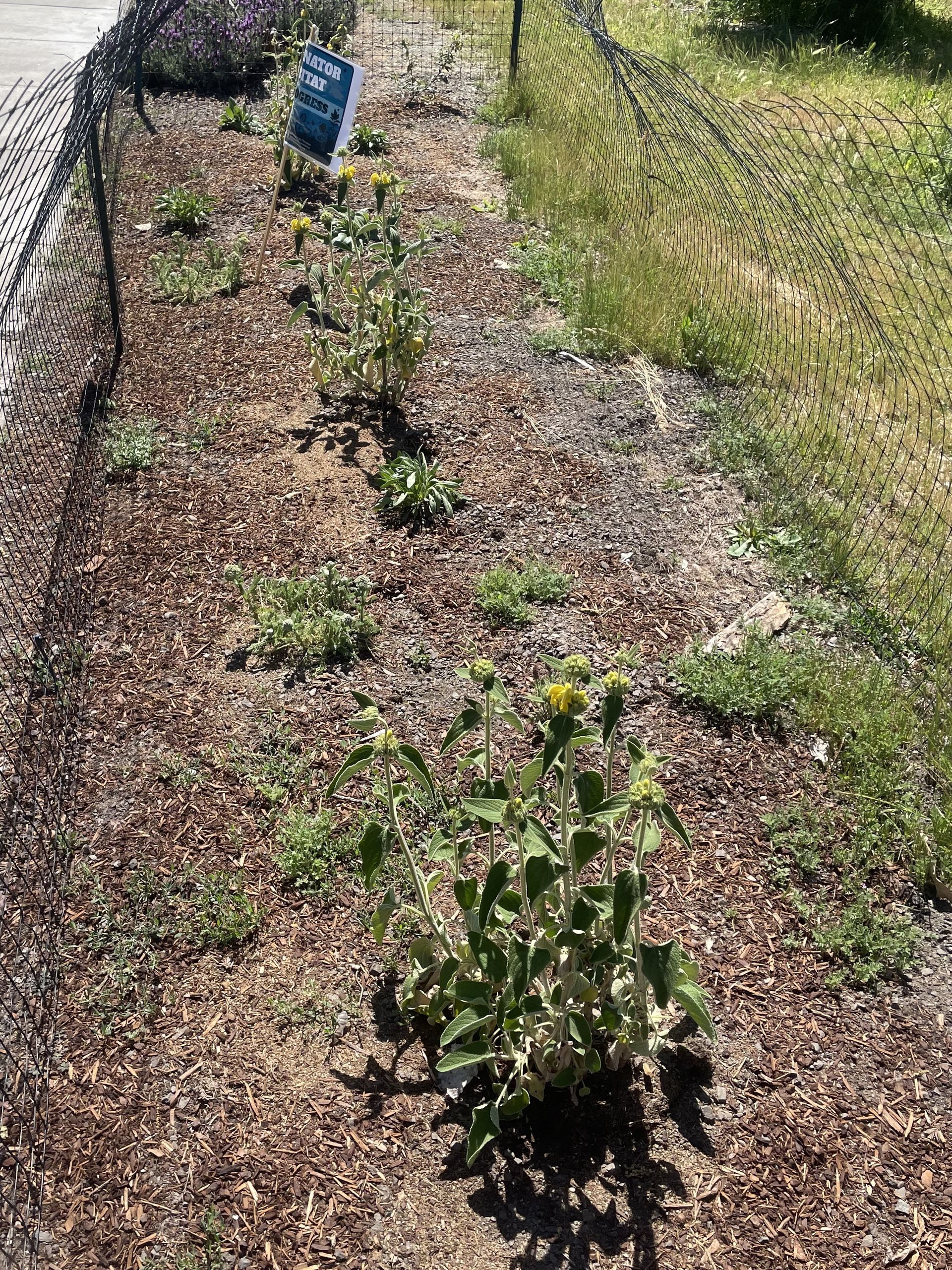
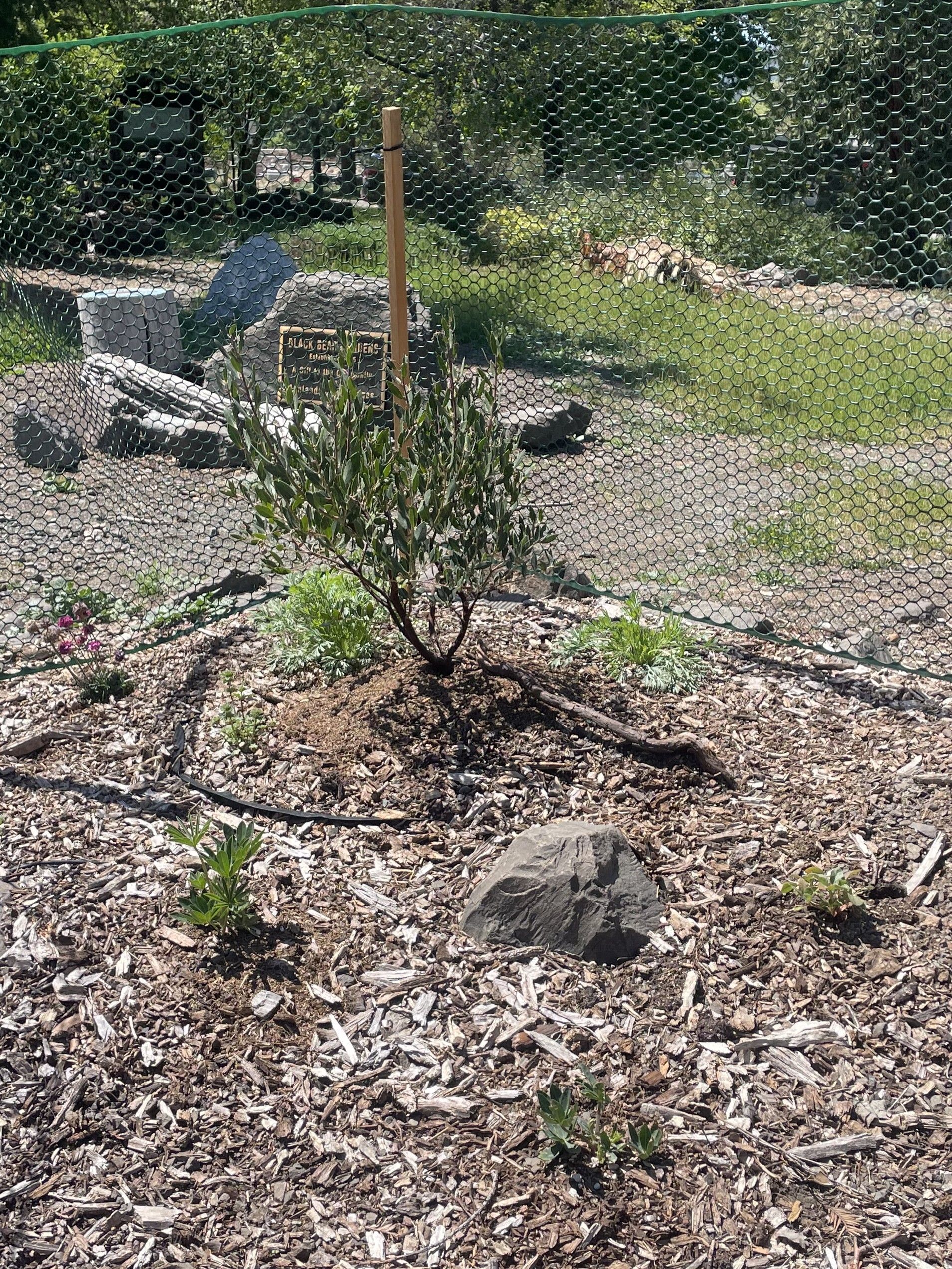
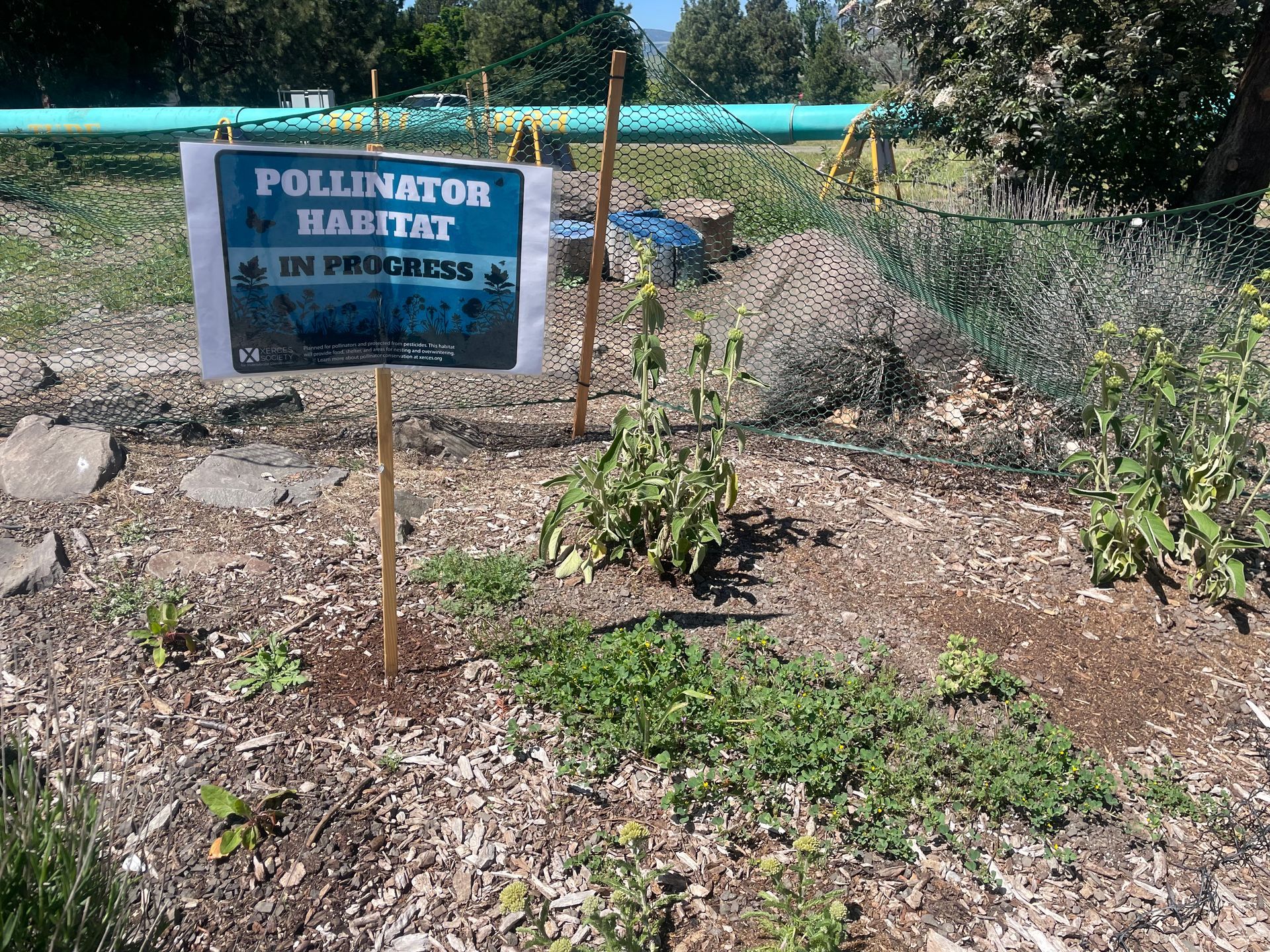
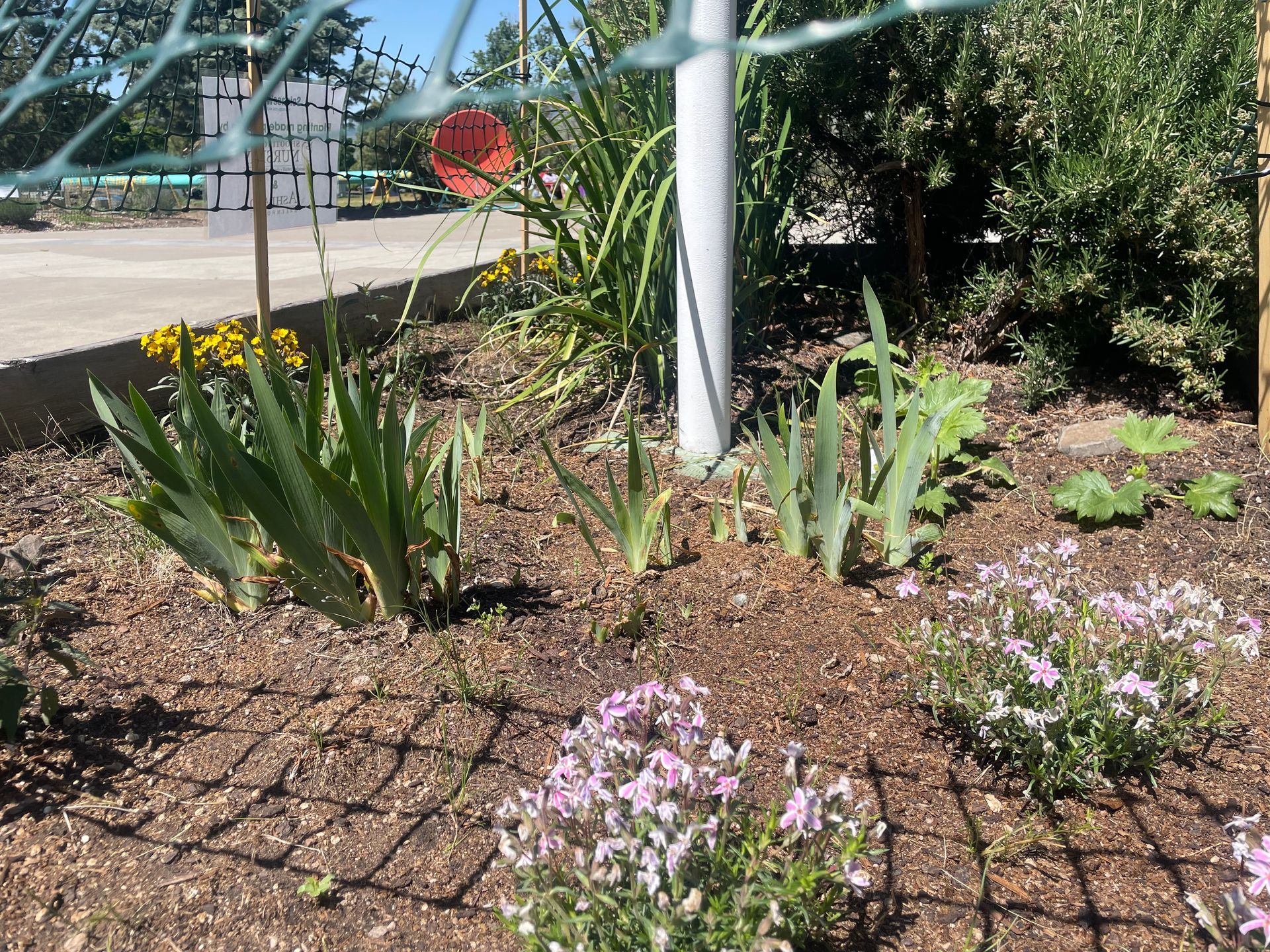
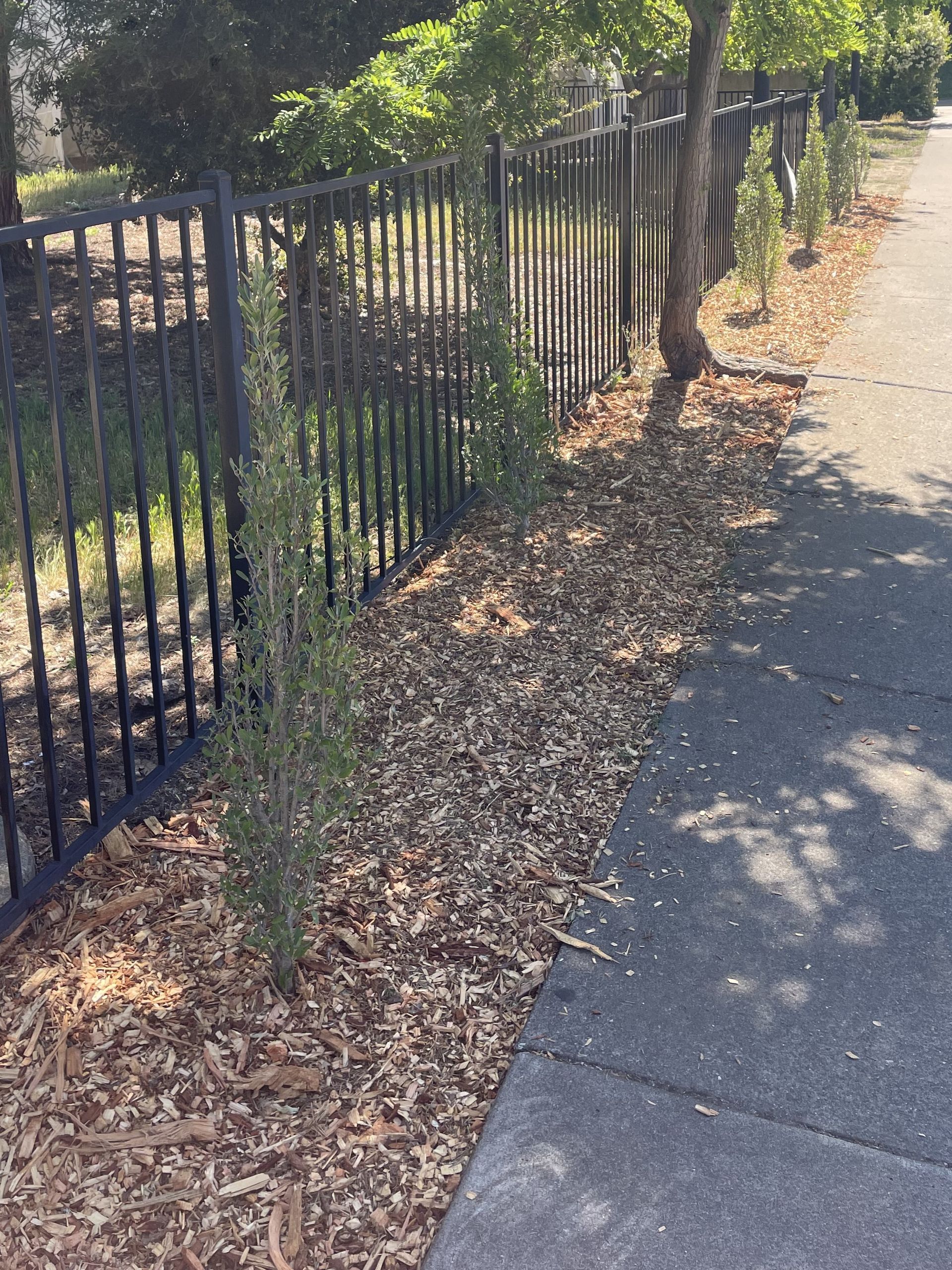
Thanks to generous support from our community, we’ve added a new round of native and pollinator-friendly plants around our plaza and Bear Garden. These spaces are now buzzing with life.
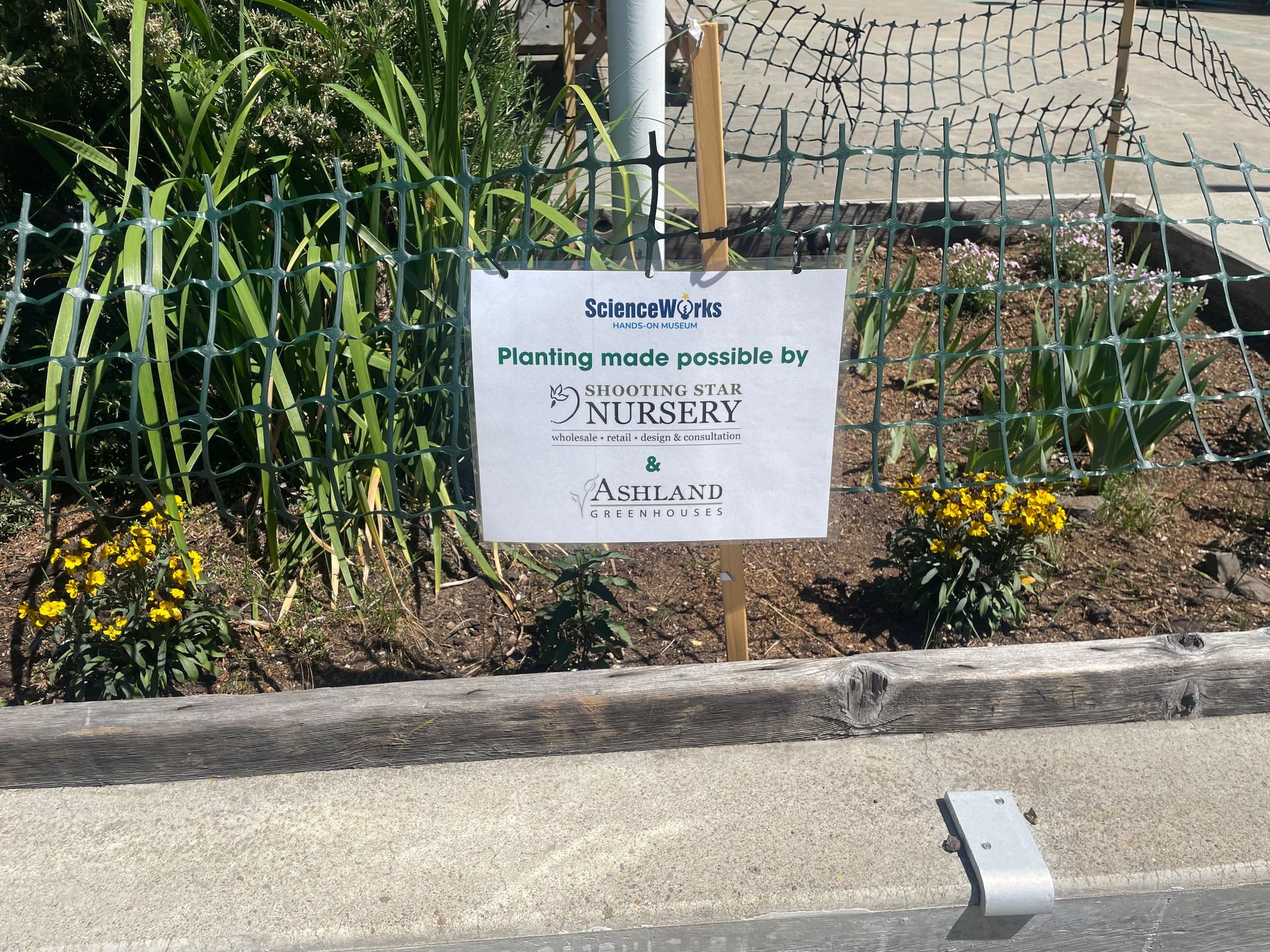
We are deeply grateful to Shooting Star Nursery and Ashland Greenhouses for their plant donations, Vh Contracting LLC for providing mulch, and to our executive director, Gaby, and our volunteer, Emily, for contributing additional plants and hands-on care.
Our new plantings feature a vibrant mix of mostly native species and their cultivars, including sages, yarrow, phlox, and other blooms that are especially loved by our local pollinators. We’ve also incorporated manzanitas, which provide important habitat for birds and support a healthy ecosystem beyond pollinators alone.
These plants were chosen not only for their ecological value, but also for their resilience. Once established, they are drought-tolerant and deer-resistant — a necessary approach to sustainable landscaping in our region.
Come See (and Smell) the Difference
Right now, many of these plants are in bloom, and the results are already visible. Bees, butterflies, and other pollinators are hard at work, moving from flower to flower.
We invite you to stop by, take a closer look, and maybe even pause long enough to notice the hum of activity. What do you see? Which plants are the most popular with pollinators? What might you try planting at home?
Here’s to the tiny pollinators that make a big difference, and to the community effort it takes to support them.
Stay curious 🐝
Related Articles